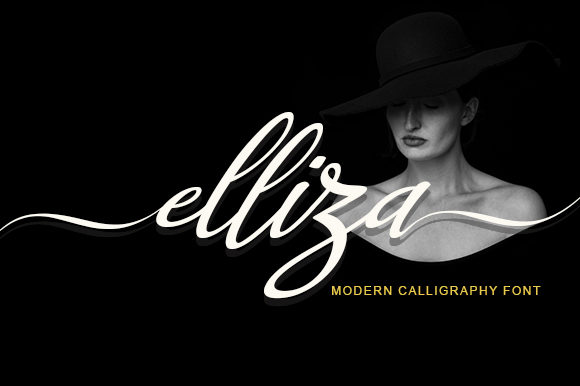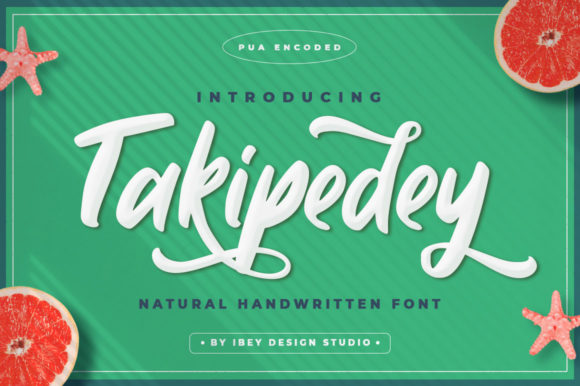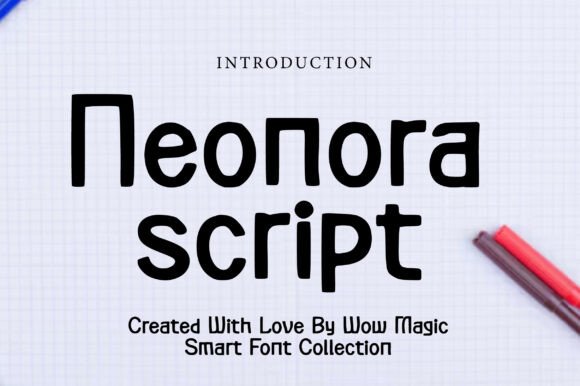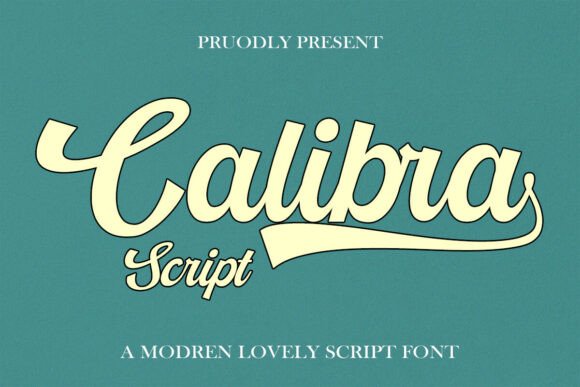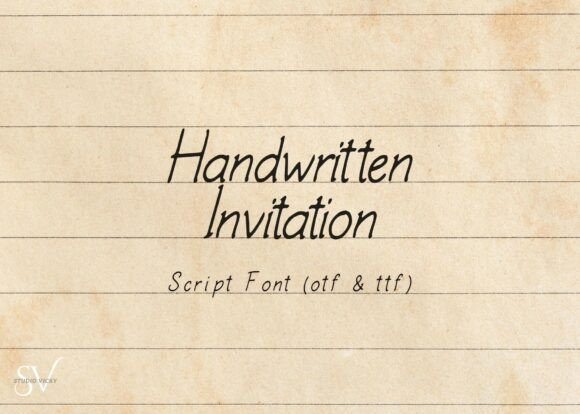
Handwritten Invitation Script: Elevate Your Designs
In a digital world saturated with sterile, geometric fonts, the human touch has become a premium design asset. Handwritten Invitation Script offers exactly that: a graceful, modern, and effortlessly charming typeface that bridges the gap between high-end elegance and genuine warmth. This script is not merely a collection of letters; it is a design solution crafted to add personality, polish, and emotional resonance to a wide array of creative projects. For graphic designers, marketers, and creators, understanding how to leverage such a script is key to developing a standout visual hierarchy and a memorable brand identity.
The Role of Typography in Visual Communication
Typography is the voice of your design. While sans-serif fonts speak with clarity and authority, scripts like Handwritten Invitation Script communicate with intimacy and flair. In modern visual design, the choice of typeface dictates the user experience (UX) and sets the emotional tone immediately. A flowing, cursive script suggests sophistication and care, making it an invaluable tool for projects that require a personal connection. Whether used in logo design or editorial design, this font mimics the natural imperfections of real handwriting, which helps in breaking down the barrier between a brand and its audience.
Practical Applications for Modern Creators
The versatility of Handwritten Invitation Script makes it a staple in any designer's toolkit. Its ability to adapt to both print and digital environments ensures consistency across all marketing materials. Consider these practical applications to maximize its impact:
- Branding and Logo Design: For boutique businesses, wedding planners, or artisanal products, this script creates a logo that feels bespoke and high-end. It pairs beautifully with clean sans-serifs to establish a balanced visual hierarchy.
- Wedding and Event Stationery: From romantic save-the-dates to formal invitations, the font’s natural strokes provide the classic elegance required for significant life events.
- Social Media Graphics: In the fast-paced world of digital marketing, stopping the scroll is vital. Use Handwritten Invitation Script for quotes, sale announcements, or headers to add a layer of authenticity that static block letters lack.
- Packaging Design: In packaging design, texture and tactility are everything. This script can simulate a handwritten label, suggesting that a product was made with care and attention to detail.
- Web and UI Design: While readability is paramount in UI design, using this script for pull quotes or hero section headers can soften the digital interface, making a website feel more welcoming and human.
Integrating Scripts into Your Design Workflow
Effective use of a script font requires more than just typing out words; it requires an understanding of composition and context. When working with Handwritten Invitation Script, it is essential to maintain legibility. Because the font features flowing, connected strokes, it is best utilized for headlines, subheadings, or short bursts of text rather than long-form body copy. This ensures that your graphic design remains accessible while retaining its stylistic charm.
Furthermore, compatibility is crucial for a seamless design workflow. Handwritten Invitation Script is engineered to work flawlessly with industry-standard software, including Canva, Cricut, Procreate, and the full Adobe Suite. This ensures that whether you are creating a vector logo in Illustrator or a social media post in Canva, the font renders smoothly without technical glitches. When selecting creative assets, always consider how they integrate into your existing systems to maintain efficiency.
Achieving a Polished Result
The difference between an amateur design and a professional presentation often lies in the details. When using Handwritten Invitation Script, pay close attention to your color palette. Soft, muted tones often complement the elegance of a script, while high-contrast colors can make it pop on merchandise or advertising campaigns. Additionally, consider the medium. For print design, ensure the ink bleeds suit the paper stock; for digital, ensure the resolution is sharp on high-DPI screens.
Ultimately, the goal of any creative project