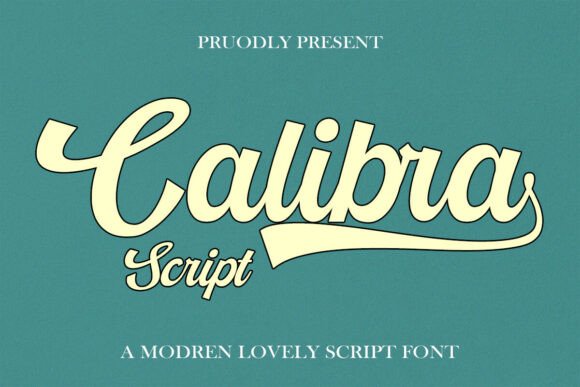
Calibra Script: Elevate Your Creative Projects with Elegant Handwritten Typography
In a digital landscape saturated with uniform sans-serifs, a touch of authentic, human elegance can make your design stand out instantly. Calibra Script is a delicate handwritten font that brings this unique, cool aesthetic to life, offering a sophisticated solution for designers seeking to infuse personality and warmth into their work.
Understanding the Role of a Handwritten Font in Modern Design
Typography is a cornerstone of graphic design, directly influencing visual hierarchy, readability, and emotional response. A font like Calibra Script serves a specific and vital purpose within a designer's toolkit. Unlike display fonts meant for headlines, its fluid, connected letterforms are crafted for applications where a personal, artisanal touch is desired. It excels in creating an intimate connection with the viewer, making it ideal for projects where storytelling and authenticity are key.
Practical Applications Across Creative Projects
The versatility of a well-crafted script font allows it to enhance a wide array of design contexts. Here’s how Calibra Script can be strategically applied:
- Branding and Logo Design: Use it to create distinctive logotypes or secondary brand marks for boutiques, cafés, wedding planners, or artisanal product lines. It instantly communicates handcrafted quality and attention to detail.
- Marketing and Print Design: Elevate invitations, greeting cards, thank-you notes, and menu designs. Its elegance ensures that physical materials feel premium and thoughtful, improving the overall user experience of the unboxing or receiving moment.
- Digital and Social Media Graphics: Capture attention on Instagram stories, Pinterest pins, and promotional banners. A script font adds visual interest and breaks the monotony of standard web fonts, boosting engagement in a crowded social media feed.
- Packaging and Product Design: From food product labels to cosmetics and apparel tags, Calibra Script can define a product's personality on the shelf. It works beautifully in harmony with a complementary color palette and minimalist imagery to create a modern aesthetic.
- Editorial and Web Design: Sparingly, it can highlight pull quotes, chapter titles, or special call-to-action sections in magazines or on websites, guiding the reader's eye and adding a layer of sophistication to the layout.
Tips for Effective Typography and Design Workflow
Integrating a specialized font like Calibra Script successfully requires more than just placement; it demands a strategic approach to visual communication.
Prioritize Readability and Scalability: Always test your chosen font at the intended size and medium. A delicate script may lose legibility at very small sizes on screen or when reproduced in low-resolution print. Ensure it remains clear for your audience.
Establish Visual Hierarchy: Use Calibra Script as an accent, not the primary body text. Pair it with a clean, highly readable sans-serif or serif font for paragraphs. This contrast creates a dynamic and professional presentation, where the script draws attention to key messages without overwhelming the design.
Maintain Brand Consistency: If incorporating this font into a brand identity, document its usage rules. Define which contexts it should appear in (e.g., main logo, social media bios, specific headings) and ensure it aligns with the overall brand voice and values. Consistency builds recognition and trust.
Consider the Audience and Context: A handwritten script conveys warmth, creativity, and tradition. It may be perfect for a luxury bakery's branding but less suitable for a fintech app's user interface. Always align your typographic choices with audience expectations and the core message of your creative project.
Thoughtful design is about making intentional choices that serve a purpose. Selecting a creative asset like Calibra Script is not merely about adding decoration; it’s about choosing a tool that can significantly enhance the emotional resonance and aesthetic quality of your work. By understanding its strengths and applying it with care, designers and creators can produce more compelling, effective, and memorable visual communication that truly connects.