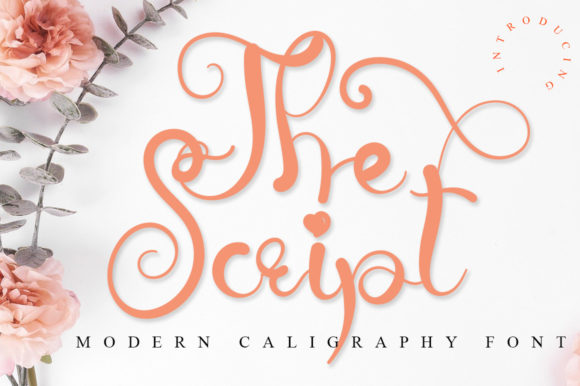
The Script: A Touch of Elegance in Modern Typography
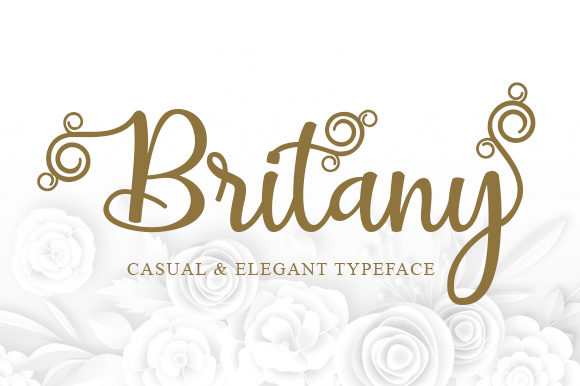
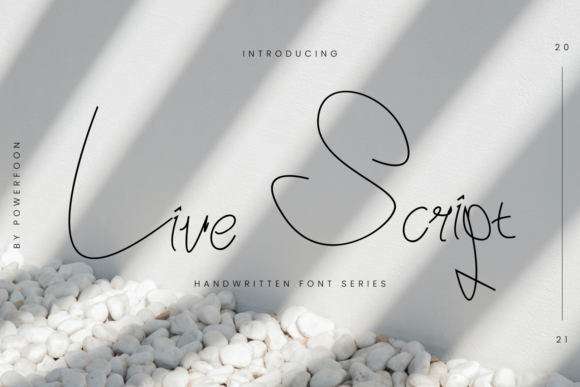
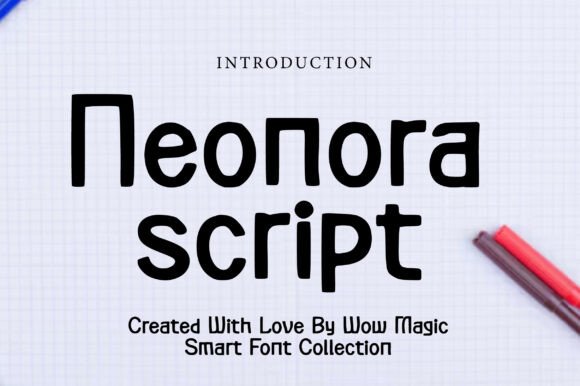
Finding the perfect typeface can transform a design from ordinary to unforgettable. Among the vast library of creative assets, a few stand out for their ability to convey emotion and sophistication. The Script is a gorgeous handwritten font that immediately captures attention with its stylish, romantic flair. It fits perfectly with any project that needs an authentic and delicate touch, making it a valuable tool for designers seeking to add a human element to their work.
The Role of Handwritten Fonts in Visual Design
In the realm of graphic design, typography is a fundamental pillar of visual communication. While clean sans-serifs and authoritative serifs have their place, handwritten fonts like The Script introduce a layer of personality and warmth. They break the monotony of digital precision, creating an immediate emotional connection with the viewer. This font style is particularly effective in modern aesthetics where authenticity and personalization are highly valued, helping brands stand out in a crowded marketplace.
Strengthening Brand Identity and Communication
A cohesive brand identity relies on consistent visual language. The Script can serve as a powerful accent typeface, complementing primary fonts to define a brand's voice. Its elegant curves and fluid strokes are ideal for conveying messages of luxury, care, and attention to detail. When used thoughtfully, it enhances the overall design quality, ensuring that branding materials—from logos to stationery—feel both professional and personal.
Practical Applications for Creative Projects
The versatility of The Script extends across numerous design disciplines. Its aesthetic appeal makes it suitable for a wide range of applications where a touch of elegance is required. Consider incorporating this font into the following creative projects:
- Branding and Logo Design: Use it for logotypes, brand marks, or signature elements to establish a distinctive and memorable visual identity.
- Marketing and Social Media Graphics: Create engaging headlines, quotes, or call-to-action text that stands out in digital feeds and captures audience interest.
- Editorial and Print Design: Enhance magazines, invitations, greeting cards, and book covers with a sophisticated typographic accent.
- Packaging and Merchandise: Add a premium, artisanal feel to product labels, tags, and promotional items, improving shelf appeal.
- Web and UI Design: Apply it sparingly in hero sections, banners, or decorative elements to guide the user's eye and enrich the user experience.
- Presentations and Digital Products: Elevate slide decks, e-books, and online courses with a polished, professional presentation that feels curated.
Integrating Typography into Your Design Workflow
Selecting a font like The Script requires more than just admiring its style; it demands consideration of practical design principles. To maximize its impact, evaluate its readability at various scales and ensure it aligns with your project's goals. A successful visual hierarchy often pairs a decorative script with a simpler, highly legible body font. This balance maintains clarity while allowing the script to shine as a focal point.
Consider your color palette and composition when implementing the font. A delicate script pairs beautifully with soft, muted tones or high-contrast dark backgrounds, depending on the desired mood. Always test the font in context—view it alongside your imagery, icons, and other design elements to ensure compatibility. This process is crucial for maintaining a seamless and professional look across all touchpoints, from social media graphics to print design.
Elevating Design with Thoughtful Choices
Ultimately, the power of a typeface like The Script lies in its ability to elevate the narrative of your design. It is not merely a decorative element but a tool for enhancing communication and user engagement. By carefully selecting and integrating high-quality creative assets, designers and creators can build more compelling, cohesive, and effective visual stories. In a world saturated with content, these thoughtful design choices are what make a project resonate, leaving a lasting and positive impression on the audience.